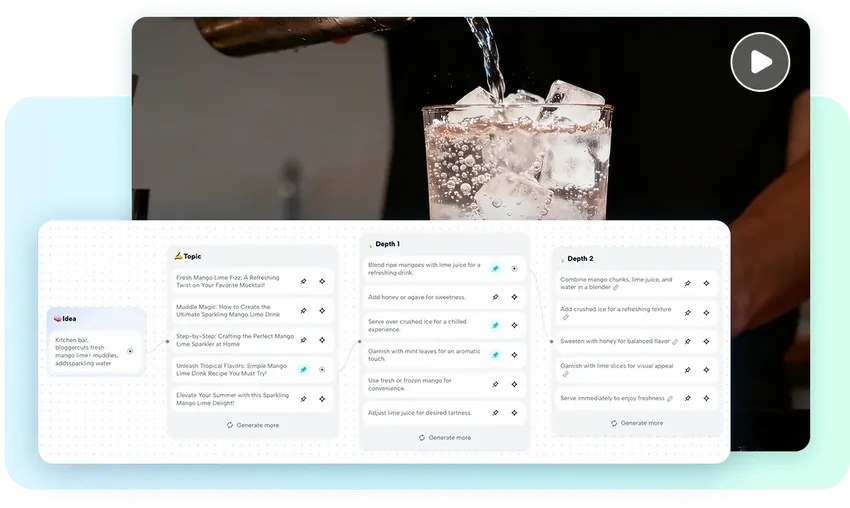
Character blocking is the positioning and movement of actors in a scene. It influences clarity of the story, the way the audience sees interactions. CapCut is an efficient, web-based application that enables one to construct detailed scene boards and design character movement plans. It simplifies the process of preparing by mapping interactions on a digital platform and enhances narrative precision.
The importance of Character Blocking in Casting
Efficient character blocking improves the choices of cast by matching the abilities of the actors with the demands of the scenes. The mapping of movements demonstrates who is superior, who is supporting, and how the tension is built up.
The used AI in Character Placement and Motion Planning
Artificial intelligence is changing the way blocking informs casting decisions. Depending on the composition of the scene and movement patterns, AI can propose the best character placement. AI-created scene diagrams give a clear layout to both director and casting teams, where every actor is supposed to move, pause, or interact. Using an AI writer, for instance, you can convert raw script material into structured visual sequences, offering an early preview of character interplay.
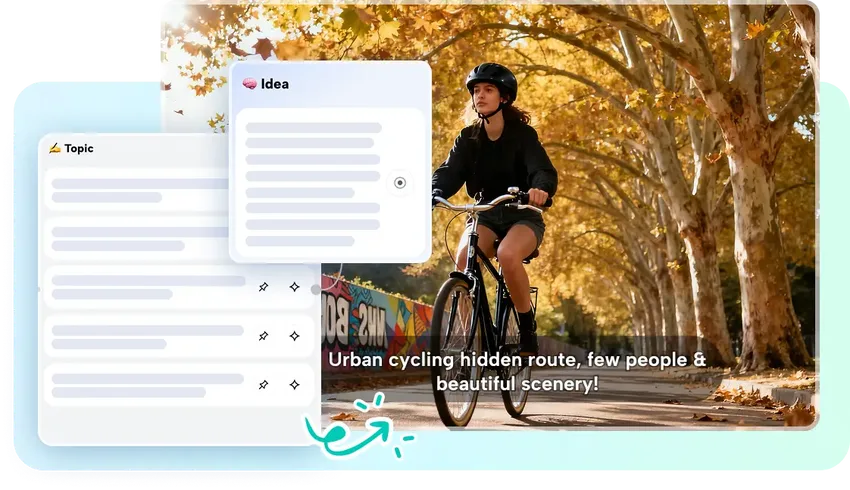
How CapCut Visualizes Character Blocking
CapCut makes the visualization of blocking simple by providing intuitive tools and AI-assistance. The platform enables scene boards to show the movement flow and interactions between characters accurately. The interface of CapCut makes the changes simple and saves time and possible errors in pre-production.
Steps to Improve Casting Decisions Using AI Storyboard Character Blocking
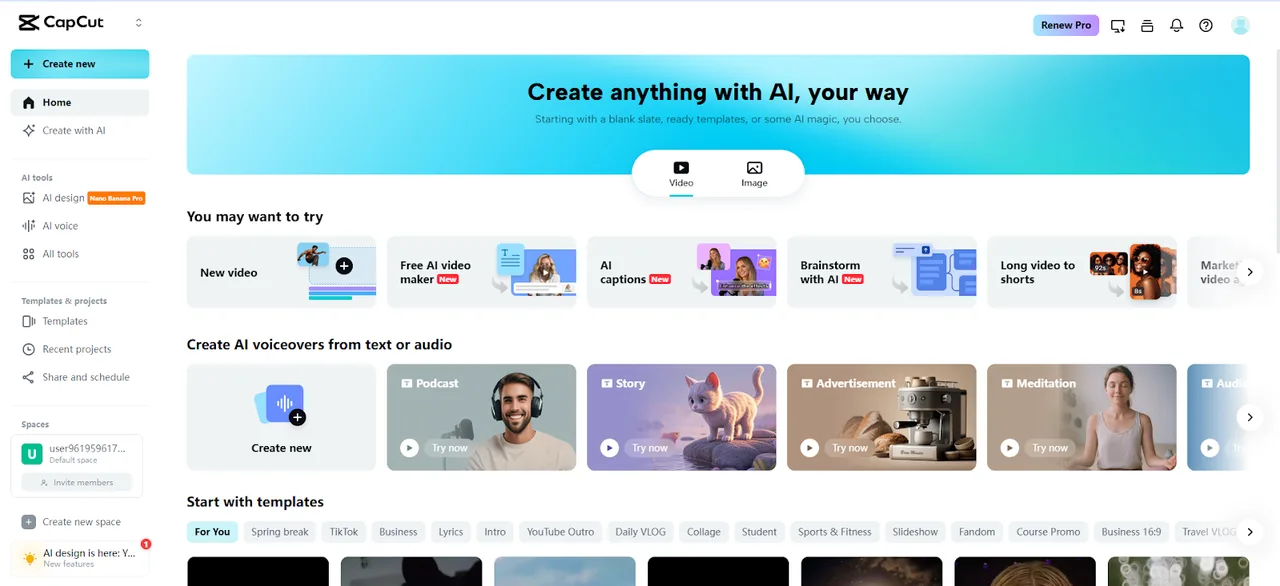
Step 1: Enter Visual Casting Setup
Open the CapCut online video editor and reach the main dashboard. Click the “Free AI video maker” option to unlock AI-driven creation features. Select “Instant AI video” from the list to begin blocking character positions within scenes.
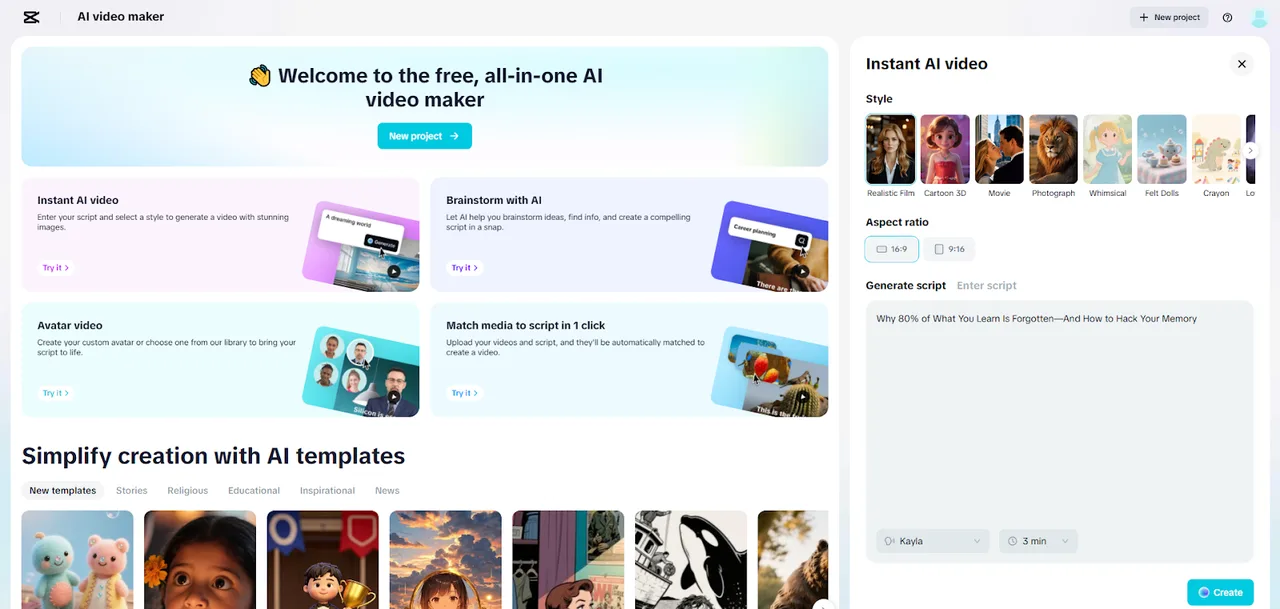
Step 2: Structure Roles Through Script Input
Choose the visual style that fits your cast layout needs. Add the story concept in the “Enter script” box or use “Generate script” to allow the AI writer to convert ideas into a structured storyboard outline. Pick an aspect ratio such as 16:9 or 9:16 for accurate casting previews. Click “Create” to generate a storyboard with character placement cues.
Step 3: Enhance Character Presence with Audio and Visuals
Click “Create” to open the structured storyboard with visual cues. Use the “Music” panel to select a suitable background track from CapCut’s library. Go to “Elements” and apply a caption template that complements character movement and blocking.

Step 4: Finalize Casting Visuals
After refining layout and captions, click “Export” to select resolution, video format, and frame rate. Click “Export” again to save the casting storyboard for review or sharing.

Evaluating Casting Fit Using AI Storyboards
An AI storyboard allows evaluation of how well actors suit their roles. The movement can be visualized to determine the level of energy, physicality, and timing. Also, visual boards show the pairing of the cast members, whether the chemistry works on screen or not.

Enhancing Pre-Production Accuracy
Errors in casting and blocking are minimized by using AI-generated boards. Detailed scene layouts can be used when conducting auditions or rehearsals, allowing actors to have a tangible sense of what is expected of them spatially. The organised boards in CapCut provide a systematic guideline in adjusting, which makes the production days run smoothly. The factualness at this stage reduces wastage of time and resources in the subsequent production.
Tilting Character Lines, Movement, and Proximity
Blocking influences the focus of the narrative by manipulating the closeness, the tension, and the dominance among characters. Artificial intelligence tools can be used to simulate changes, which demonstrate how minor changes in motion can change dynamics. CapCut enables quick testing on new placements or timing changes to improve clarity of the storytelling. As an example, when one character is brought closer to another, this can be a visual representation of trust or conflict without any further conversation.
Conclusion
Integrating AI storyboards into the casting process elevates both clarity and quality. Before shooting, directors get information about movement, relationships and spatial narration. CapCut provides an extensive system to visualize the character relationships, block planning, and casting tests in an efficient manner. The outcome is a mature, professional film in which the location of each actor adds value to the story.